

As a new parent or gift giver, picking the right size baby blanket can feel a little overwhelming. With so many options available, it’s hard to know what’s best for your little one as they grow. Fortunately, understanding the different sizes and purposes for baby blankets will help you make an informed decision that ensures both comfort and safety for your baby. In this guide, we’ll walk you through the ideal sizes for newborns, infants, and toddlers, while providing tips on choosing the right blanket for each stage of your child’s growth.
What Size Baby Blanket Do Newborns Need
For newborns, receiving blankets are the most commonly used and come in a typical size of 30" x 30". These small, soft blankets are perfect for swaddling, providing warmth and security while mimicking the snugness of the womb. Newborn swaddle blankets, usually made from breathable materials like organic cotton or muslin, are ideal for regulating your baby’s body temperature.
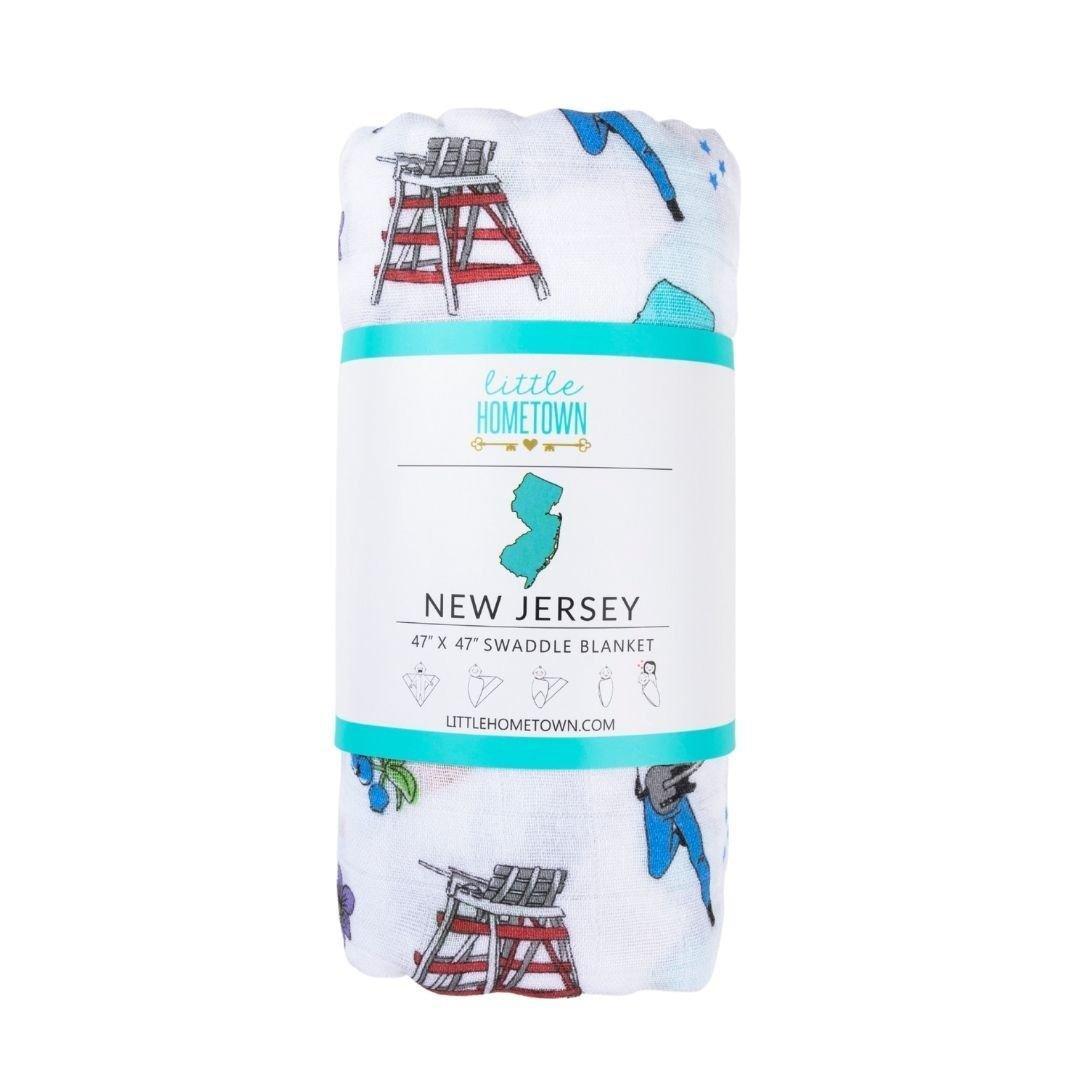
'When choosing a swaddle blanket, look for dimensions of 47 x 47 inches — the size consistently recommended by pediatric sleep consultants for a secure wrap with enough fabric to tuck without creating loose excess. This generous size also transitions into a stroller blanket, nursing cover, and toddler comfort blanket as your baby grows.
Be sure to select blankets made from soft, breathable fabrics that help prevent overheating, ensuring your newborn stays comfortable.
Safety Tip for Newborns:
Avoid loose blankets in the crib for babies under 12 months. For safe sleep, always opt for swaddles, sleep sacks, or wearable blankets that prevent suffocation hazards.
Baby Blanket Sizes for 6 to 12 Month Olds
As your baby grows, so do their blanket needs. By 6-12 months, babies become more active, and their blankets should evolve to support their new sleep habits. At this stage, transitional blankets are the best option.
-
Dimensions: A 36" x 36" blanket is ideal for babies in this age range. These blankets are large enough to cover the baby during naps but are still compact enough for sleep safety.
- Usage: This size is perfect for tummy time, sitting up, and as a comforting object during sleep. Additionally, larger blankets can be used as a comforting toy during playtime.
At this age, babies might resist being swaddled, so instead, opt for sleep sacks or comfort blankets that keep them cozy while allowing more freedom of movement.
Toddler Blanket Dimensions for 1 to 3 Year Olds
When your baby enters toddlerhood (1-3 years), their blanket needs shift again. At this stage, toddlers transition from cribs to toddler beds, and their blanket size should be larger to accommodate their growing body.

-
Dimensions: A 40" x 60" blanket is perfect for toddlers. This size provides enough coverage for a toddler in a crib or toddler bed.
- Usage: Soft, larger blankets are ideal for keeping toddlers warm at night. They can also become comforting objects, as they are the perfect size for napping, wrapping around them during colder months, or even taking on trips.
At this age, toddlers also tend to move more, so choose blankets that are breathable yet thick enough to keep them warm through the night. Opt for materials that offer comfort while also being durable enough for daily use and washing.
How Baby Blanket Size Affects Sleep Safety
As babies grow, their sleep safety needs change, and the right blanket size plays a critical role in that. According to the American Academy of Pediatrics (AAP), the main concern with blanket size is ensuring that your baby can sleep safely without being at risk of suffocation.
-
Newborns (0-3 months): Swaddles or wearable blankets are the safest option. Avoid using traditional blankets, as they pose a suffocation risk.
-
Infants (3-12 months): As babies gain the ability to roll over, make sure the blanket is light and doesn’t cover their face. A blanket that’s too big or heavy could be a hazard.
- Toddlers (1+ years): At this stage, you can use full-size blankets, but ensure the blanket is not too large for their bed and doesn’t restrict their movement.
- Safe sleep practices recommend that blankets should fit well and never be large enough to cover the baby’s face. It’s essential that as your baby matures, their blankets allow more movement but still provide warmth and security.
Choosing the Right Blanket Size for Different Uses
Baby blankets are multifunctional, and each type of blanket serves a different purpose depending on the activity or need.

-
Swaddling: Opt for 30" x 30" or 36" x 36" swaddle blankets, which provide a snug wrap for newborns and small infants.
-
Comfort Blankets: For babies 6 months and older, 36" x 36" blankets work great as comfort items for sleep or lounging.
- Travel Blankets: For travel or stroller naps, choose a 40" x 60" size, which is versatile enough to cover your baby during naps while being compact enough to store in a diaper bag.
Blankets should be easy to use and wash, while still providing comfort and safety for your baby. Choose a size based on how you plan to use the blanket, and remember that convenience is the key for parents on the go.
When to Size Up Your Child's Baby Blanket
As your baby grows, their blanket needs will change. Here are some key indicators to look out for when considering sizing up:
-
Growth Milestones: When your baby reaches about 6-9 months, it’s time to size up to a larger blanket.
-
Behavioral Cues: If your baby is kicking off their blanket during sleep, it may be a sign they need a larger, more comfortable size.
- Sleep Position Changes: As your baby becomes more mobile, a larger blanket will allow them more freedom to move and adjust during sleep.
- Sizing up helps ensure that your baby stays cozy and safe as they continue to grow and develop. Always make sure the blanket is not too large to avoid suffocation risks.
Baby Blanket Size Chart by Age and Weight
|
Age Range |
Blanket Size |
Weight Considerations |
|
Newborn (0-3 months) |
30" x 30" |
Newborns usually weigh between 5-10 lbs |
|
6 to 12 months |
36" x 36" |
Babies between 10-20 lbs |
|
1 to 3 years |
40" x 60" |
Toddlers range from 20-35 lbs |
If you’re also deciding between newborn and 0–3 months clothes, our newborn vs 0–3 months clothes guide can help you match clothing sizes to your baby’s growth stage. Consider your baby’s weight and growth rate when selecting the right blanket size. Premature babies or those with special needs may require custom sizing or additional considerations.
Products to Consider from Little Hometown
New Jersey Baby Muslin Swaddle Receiving Blanket
Perfect for a New Jersey baby, this 47" x 47" swaddle is made from a soft muslin bamboo and organic cotton blend that keeps your baby cozy and breathable.
Florida Baby Muslin Swaddle Blanket
Celebrate Florida with this vibrant, comfortable swaddle blanket. Made from an organic cotton blend, it’s perfect for both warmth and comfort.
Shrimp and Grits Baby Muslin Swaddle Receiving Blanket
A soft and breathable swaddle blanket perfect for your baby, made from a muslin bamboo and organic cotton blend. Great for keeping your baby cozy in any season.
Ohio Baby Muslin Swaddle Receiving Blanket
Perfect for Ohio babies, this swaddle features a beautiful design and is made from breathable, machine-washable muslin bamboo and organic cotton.
Practical Application
When shopping for baby blankets, here are a few tips to keep in mind:
-
For Gift Givers: If you’re buying a gift for a baby shower or new parents, the 36" x 36" receiving blanket or swaddle set is a safe choice. It’s versatile, practical, and can grow with the baby.
- For New Parents: Invest in multiple sizes as your baby grows. Begin with swaddle blankets and gradually transition to larger comfort blankets and toddler bed blankets.
Ready to find the perfect blanket for your baby? Check out our collection of baby blankets designed for every stage of your child's growth. Keep your little one cozy and safe with blankets that fit just right!
Key Takeaways
- Newborn Blankets: Start with 30" x 30" receiving blankets for swaddling.
- Infant Blankets: 36" x 36" blankets work well for babies from 6-12 months.
- Toddler Blankets: 40" x 60" blankets are ideal for toddlers transitioning to toddler beds.
- Safe Sleep: Ensure blankets are appropriately sized for your baby’s safety and comfort.
- Growth Milestones: Watch for signs like kicking off blankets to know when to size up.
FAQs
What size blanket is best for a newborn baby?
Newborns need receiving blankets around 30" x 30" for swaddling and comfort. Avoid loose blankets in the crib during the first year for safe sleep.
When can babies sleep with full-size blankets?
Most babies can safely use larger blankets around 12-18 months when they can move freely and push bedding away from their face.
What blanket size works for baby shower gifts?
A 36" x 36" receiving blanket is ideal for baby shower gifts as it grows with the child and works for multiple uses from swaddling to comfort.
How do I know if a baby blanket is too small?
If the blanket doesn't adequately cover your child when they're lying down or if they frequently kick it off, it may be time to size up.
What's the difference between receiving blankets and regular baby blankets?
Receiving blankets are typically smaller (30" x 30") and thinner for swaddling newborns, while regular baby blankets are larger and thicker for warmth and comfort.
Should I buy different blanket sizes as my baby grows?
Yes, starting with receiving blankets for newborns, then transitioning to larger comfort blankets around 12-18 months as sleep safety guidelines allow.